

The best keywords for websites can determine your online success in 2026. Keywords are specific words or phrases that help people find your site on search engines like Google. With AI tools like ChatGPT and Gemini advancing, keyword research has become even more essential.
In fact, overusing keywords or picking the wrong ones could harm both your readability and your rankings.
In 2026, there’s a shift toward smarter SEO tools focused on user intent and search patterns . Trusted platforms such as Google Keyword Planner remain free and provide access to reliable insights.
Tools like Semrush offer advanced features with limited free reports daily, while KWFinder highlights long-tail opportunities ideal for small businesses.
Keywords aren’t just about ranking high anymore; they also influence how well AI chatbots display results. You’ll need to use these thoughtfully throughout title tags, URLs, meta descriptions, and even image alt text.
This guide will show you how to pick the most effective keywords step by step. Discover what works now!
Key Takeaways
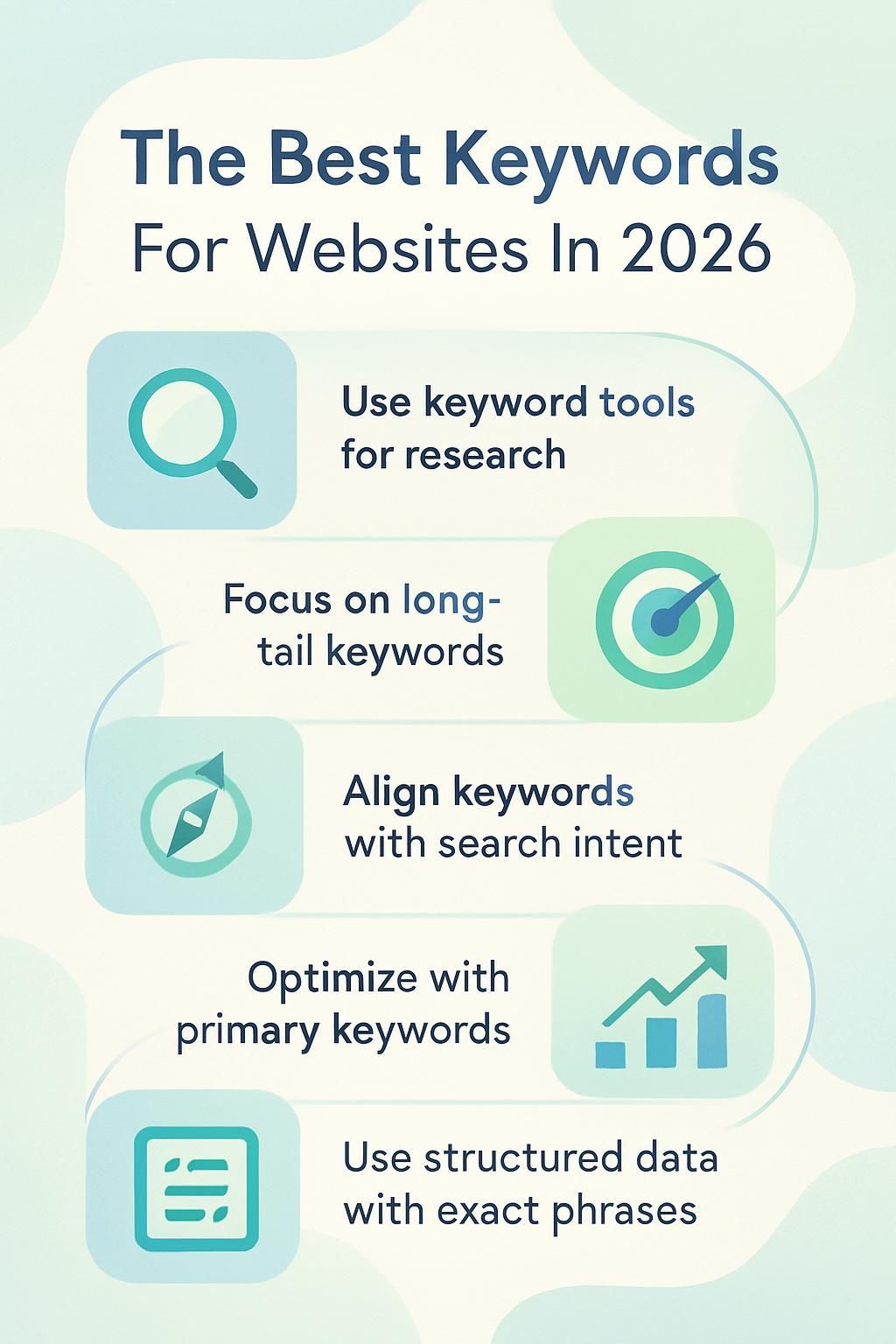
- Use keyword tools like Google Keyword Planner , KWFinder, and Ubersuggest to find high-volume, low-competition keywords.
- Focus on long-tail keywords (e.g., “ best email tools for small business ”) for better targeting and lower competition than short-tail ones.
- Align keywords with user search intent by analyzing queries through tools like Semrush or Keywords Everywhere .
- Optimize content by placing primary keywords in titles, meta descriptions , URLs, headings, and alt text of images.
- Incorporate structured data markup (like JSON-LD) with exact match phrases to improve AI recognition and visibility in SERP features.
Best Keywords for Websites in 2026
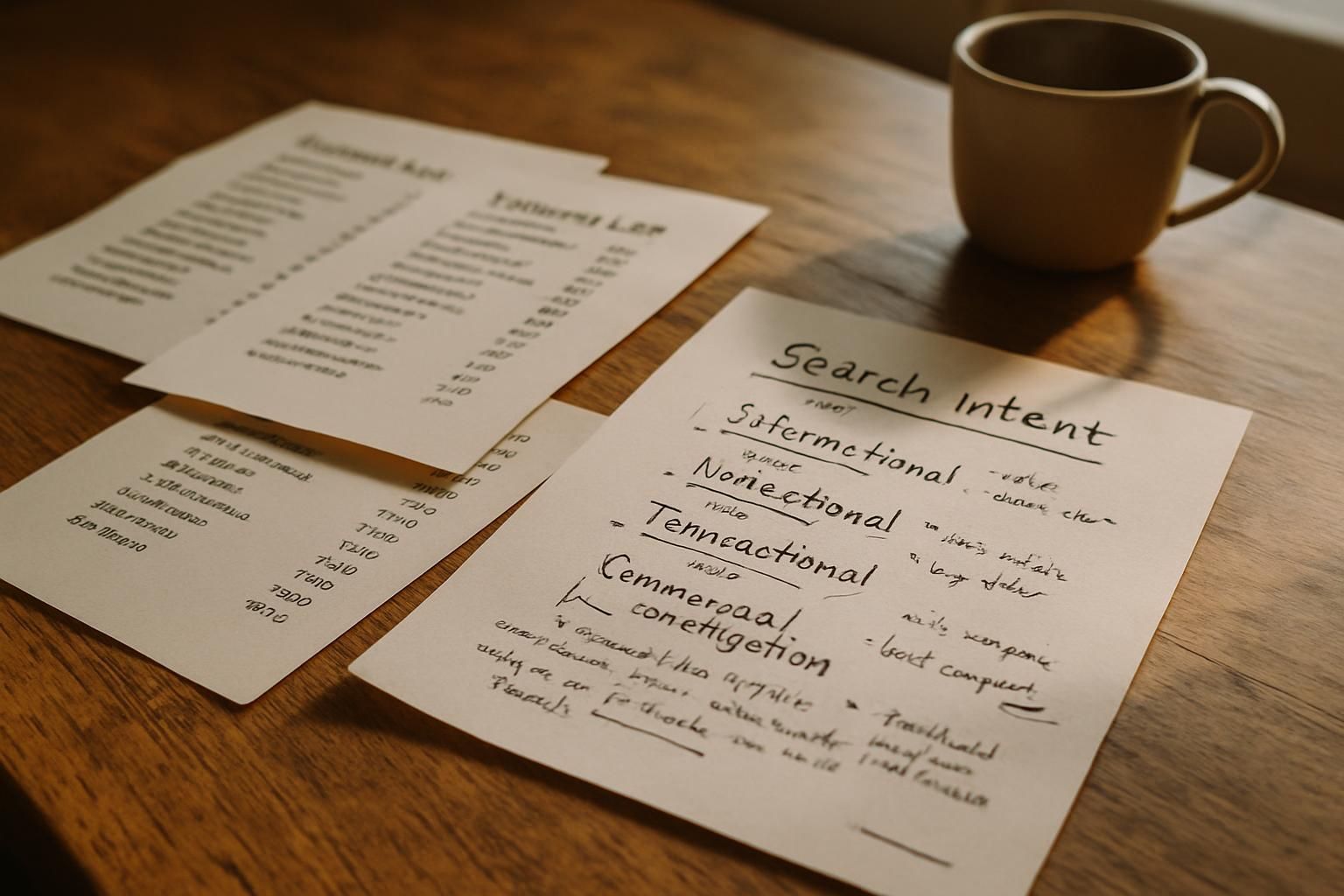
Understanding how to find keywords starts with knowing search intent. Use keyword research tools like Google Keyword Planner to uncover high-volume and relevant terms for your content strategy.
What Are Long-tail and Short-tail Keywords?
Long-tail keywords are longer, more specific search terms such as “best organic skin care products for dry skin.” These typically have lower competition and smaller search volume but attract users with high intent.
Short-tail keywords , like “skin care products,” are broader, shorter phrases with higher monthly search volume s but tougher competition.
Using tools like KWFinder or Ubersuggest helps you identify both types of keywords by showing their monthly search volume and keyword difficulty. For example, KWFinder provides five free searches daily to compare options based on intent and competition level.
This distinction is vital for aligning target keywords to reach your audience effectively.
Head into understanding how different types connect with user intent next!
How Do Keywords Align with Search Intent?
Keywords must match what users want when they search. Tools like KWFinder and Semrush show how a keyword fits user goals or search intent . For example, someone searching “best email tools for small business” likely wants recommendations.
Using specific keywords that fit this intent can rank your page higher on search engine results pages (SERPs). Including those terms in headings, meta descriptions, and product pages helps connect content to the user’s needs.
Google Keyword Planner also suggests related terms based on website data, ensuring better alignment with queries. Avoid keyword stuffing since it harms readability and breaks trust with visitors.
Use anchor text with relevant keywords to guide users through your site naturally while boosting rankings. Keywords Everywhere or Ubersuggest analyze results pages to uncover hidden opportunities tied directly to what people look for online.
What Keywords to Use to Show Up in AI?
Focus on keywords structured for AI recognition. Use exact match phrases and seed keywords relevant to your niche. Include terms with high search volume and low competition . Generative engine optimization thrives on well-placed keyword phrases in Schema Markup, like using JSON-LD format for structured data .
Incorporate primary keywords that align with common search queries. Tools like Google’s Keyword Planner or a Free Keyword Tool help refine your keyword list based on search volume data.
High-quality content featuring these optimized keywords improves visibility in AI-based SERP features, such as People Also Ask sections or related searches results.
What Tools Can Help Me Find the Best Keywords?

To find the best keywords for your website, you need reliable tools that make keyword research easier. These tools analyze search data and suggest related keywords to boost your search engine rankings.
- Google Keyword Planner
This free tool is great for paid keyword research. It provides average monthly searches , competition levels , and keyword opportunities. You can use it without a Google Ads account. - Semrush
Semrush offers a free plan with 10 analytics reports daily. It examines competitors’ keywords and tracks ranking factors such as SERP analysis and organic traffic trends. Paid plans start at $139.95 per month. - KWFinder
KWFinder’s free plan includes 5 searches daily. This tool specializes in finding long-tail keywords and calculating their difficulty level for SEO professionals on a budget. - Ubersuggest
Ubersuggest has a free version allowing 3 keyword searches per day, focusing on traffic volume and competitive gaps in different keywords. You can upgrade to its paid plan for $29 per month with up to 150 lookups daily.
Each of these tools helps improve your keyword strategy by providing keyword metrics like search trends and relevant content ideas suited for smaller search campaigns or large-scale content marketing projects.
How Can I Use Keywords Effectively on My Website?
To make the most of your keywords, you need a smart strategy. Focus on placement, relevance, and user experience to improve your site’s visibility.
- Include your primary keyword in the title tag near the beginning. Keep it under 60 characters for better results on search engine result pages (SERPs).
- Use keywords in meta descriptions that are between 150 and 160 characters. Write persuasive text to boost your click-through rate (CTR).
- Add your main keyword to the URL or slug. Keep it concise and avoid unnecessary filler words.
- Place the primary keyword within the first 100 words of your content. Distribute secondary keywords naturally throughout the page.
- Optimize headings by including key phrases. The H1 should use your main keyword while H2s and H3s carry supporting ones for clear structure.
- Use descriptive filenames and alt text with relevant keywords for all images on your site. This boosts SEO while improving accessibility.
- Create internal links with clear, keyword-heavy anchor text, like “learn more about SEO tools.” Ensure these links connect to relevant pages.
- Apply structured data markup with accurate keywords in fields like name and description to align content with search engines.
- Monitor performance using Google Analytics and Google Search Console . These tools display what works best for engaging users on landing pages.
- Audit technical SEO issues regularly with tools like site audit software or Keyword Explorer to stay competitive online.
Conclusion

Finding the best keywords in 2026 will set your website apart. Focus on search intent and trends to stay visible online. Use tools like Google Keyword Planner or Ubersuggest to refine your strategy.
Incorporate these keywords naturally into titles, headings, and content for better SEO results. Consistent effort can boost your site’s ranking over time.