How Labor Trafficking Harms Workers In The Food Service Industry - Ever Studios Blog

Share this post
Labor trafficking is more common than you think, bringing in $236 billion dollars of illegal profits every year. This crime affects millions of people across the globe, subjecting human trafficking victims to exploitation and abuse.
Workers in the food service industry are especially vulnerable when it comes to this form of modern slavery. Labor trafficking has made its way into restaurants, food processing facilities, agriculture, catering, and even to the individuals cleaning and maintaining food services establishments.
Learning the signs of labor trafficking helps you protect the people that provide you with food and services every day. Let's explore how common this crime truly is in Pontiac, Michigan and beyond.
Key Takeaways
- Labor trafficking is a common occurrence in the food service industry. Workers are often promised employment opportunities that turn out to be not as promised. They then find themselves in a trafficking situation where they've lost their human rights.
- Employees that become victim to trafficking may experience abuse in areas such as farm work, in restaurants, working in food processing and packaging, or cleaning and maintenance in food establishments.
- Understanding the warning signs of labor trafficking is vital to stopping this crime. Being aware of your state laws and what to look out for are some ways you can do your part.
- Official government organizations, law enforcement agencies, and non government groups such as Hope Against Trafficking are all working towards ending trafficking by building education and awareness.
- Government agencies including the Department of Labor and Department of Justice track trafficking cases and investigate when needed.
Prevalence of Labor Trafficking in the Food Service Industry
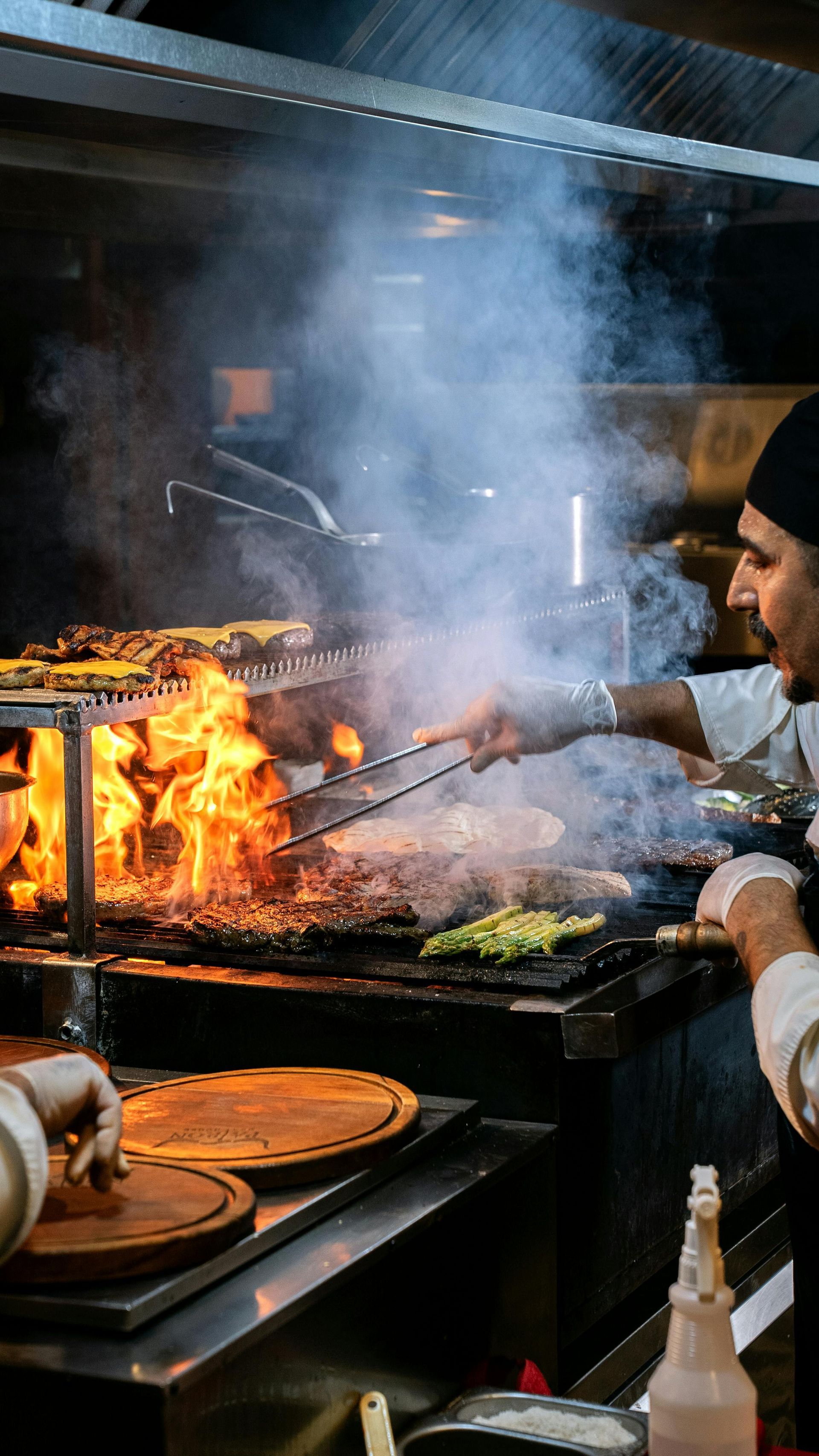
Food services are no stranger to labor trafficking. Workers commonly experience exploitation and abuse in all levels of the supply chain.
Common industries and roles affected
Here are just a few examples of how victims of human trafficking are being exploited in the food industry:
Quick Service Restaurants and Fast Food Chains
These types of establishments often hire migrant workers, who work for very low pay. They may work an unreasonable amount of hours, without getting paid overtime. Those who work behind the scenes, such as line cooks, are especially susceptible to exploitation due to decreased visibility.
Food Processing and Packaging
Before the food even reaches restaurants, bars, or cafés, it's getting prepared and packaged by workers. These individuals are vulnerable to working in dangerous conditions, with long hours. They may experience witheld back wages and have restricted movement within the workplace. This may include machine operators, assembly line workers, and more.
Cleaning and Maintenance Services in Food Establishments
Workers like maintenance or cleaning staff in restaurants are often less protected since they work through subcontractors. They may be outsourced, meaning that they have less oversight and accountability.
Vulnerable populations targeted
Unfortunately, it's vulnerable individuals who are at the greatest risk when it comes to labor exploitation in the workplace. Migrant farmworkers and foreign workers are often at risk of becoming trafficking victims due to lack of education, language barriers, or their temporary visa status.
Workers with disabilities also face a higher chance of being exploited because they tend to have reduced access to education and good paying work. Additionally, women and people that identify as LGBTQI+ are more likely to fall victim to commercial sexual trafficking as well as labor abuse.
In the food industry, U.S. labor trafficking cases include both foreign nationals and U.S. citizens. Traffickers leverage tools and tactics such as social media, recruitment fees, debt bondage, and manipulation to force vulnerable people into involuntary servitude and poor working conditions.
Indicators of Labor Trafficking in Food Service

Identifiying the warning signs of labor trafficking within the food service industry can help you prevent this crime in your community. Here are some signs to be aware of.
Signs of exploitation in the workplace
- Look for workers that are being constantly supervised by their employer or another employee, even on breaks. This is a sign they are being controlled.
- Workers may receive threats about being deportated or arrested to keep them trapped. Traffickers use tactics like use of force or violence to push victims into working without fair pay.
- Labor trafficking victims are usually kept isolated from their friends and family. They don't have access to a cell phone or internet to reach people in their home country.
- Traffickers will confiscate identity documents such as passports, visas, and ID cards. You many notice exit doors that are locked. These could signal unfair labor practices.
- Pay attention to restaurant staff who mention any unpaid wages, excessive work hours, or any form of mistreatment. This also applies to minors under 18 years of age.
- Workers may appear fearful of local law enforcement, federal law enforcement, or any special agents in their presence.
For additional resources, learn more at the National Human Trafficking Resource Center for more details on risk factors and preventing additional human trafficking cases.
Support Trafficking Survivors
Forced labor in the food service industry is unfortunately much too common. Workers are tricked or coerced into realities where little to no pay and poor living conditions are their new normal.
By understanding the signs of labor trafficking, food service providers and the public can begin to slow down and help combat human trafficking over time.
To support this important cause, you can offer your time or a donation to anti-human trafficking groups and local nongovernmental organizations like Hope Against Trafficking.This support helps pay for general survivor support services, legal assistance, and even emergency shelter for those in need.
Building public awareness can empower others to take action too! Get involved in Michigan today to make a difference for victims of labor trafficking in your community.
FAQs
1. What is labor trafficking in the food service industry?
Trafficking occurs in the workplace when workers are subjected to excessive work hours with little to no pay, manipulation, threats, or pressure to work. They may be owed back wages, fall into debt, and work an unsafe amount of hours. Victims of labor trafficking are often afraid to ask for help.
2. How common is labor trafficking in food service?
Since many cases remain unreported, there is limited data when it comes to specific numbers. The federal government and other government agencies still track cases as they are reported. Criminal justice records have revealed some prosecutions, however, experts in this field state that this crime is happening more often than we expect.
3. How can victims get help?
If you suspect abuse, you can contact the National Human Trafficking Hotline or the Department of Homeland Security's Blue Campaign Labor Trafficking to report a tip. These websites and call services will protect your information, as well as the victims' sensitive information when you reach out. You can also contact your local police station.
4. What can businesses do to prevent labor trafficking?
When it comes to the workplace, Employers can train both their managers and workers to identify and report any signs of abuse. Provide a secure way for employees to report any warning signs so they don't hesitate to report it. Connect with local groups like Hope Against Trafficking for additional resources to create a safe and secure work environment.
More Ever Studios Blog Posts